
Frank Nyathi
Head: Service and Mechanics at Vehix · 14 May 2026 · 5 min read · Updated 14 August 2026
Engine oil is the lifeblood of your car. It lubricates, cools, cleans and seals the moving parts inside your engine. When it breaks down — or runs low — wear speeds up dramatically. In the Vaal Triangle we see the effects of heat, dust and stop-start traffic every week, and dirty oil is behind a surprising number of the big repair bills that land in our workshop.
What Is an Oil Change?
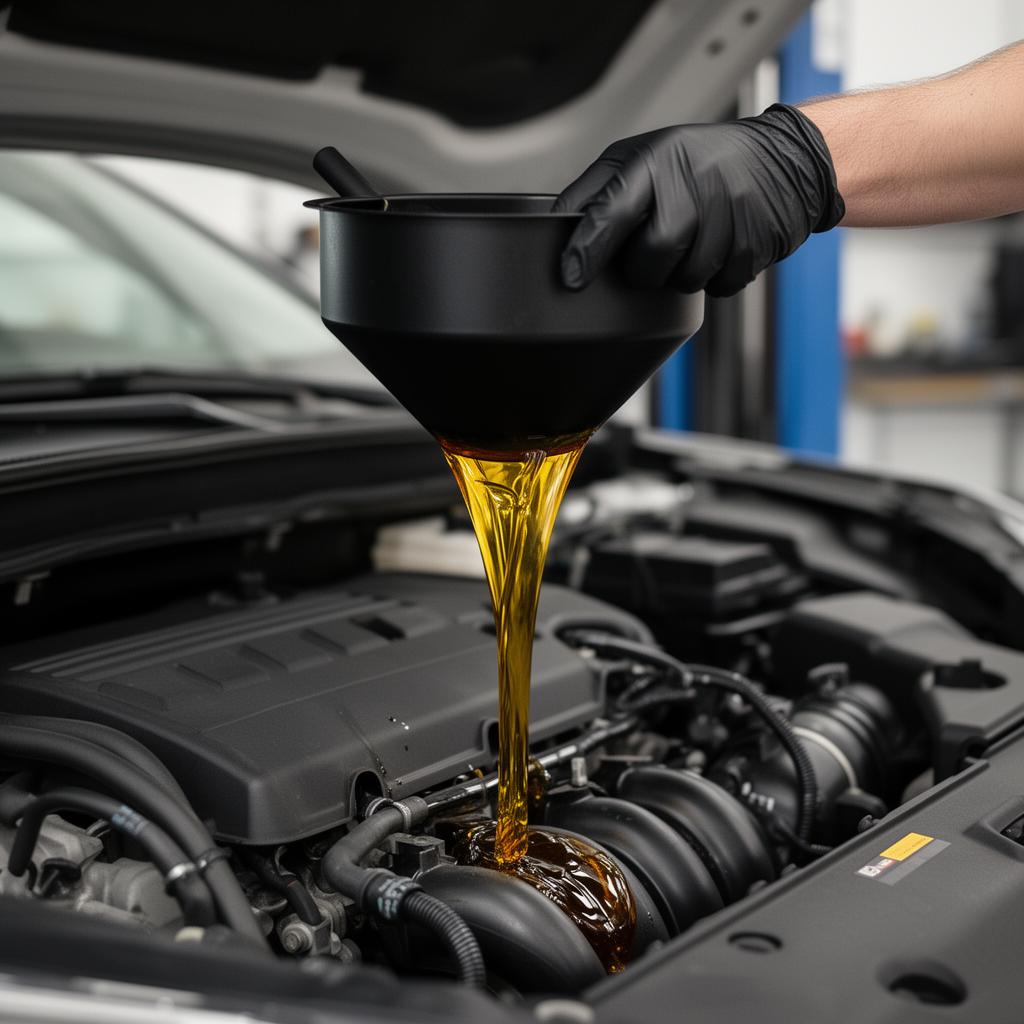
An oil change drains the used engine oil, replaces the oil filter, fits a new sump washer and refills the engine with fresh oil to the grade your manufacturer specifies. On most cars it takes about 30 to 45 minutes and uses between 3.5 and 6 litres of oil, depending on the engine. Oil does not get "used up" like fuel — it wears out. Heat, combustion soot and moisture break down the additive package, so the oil stops cleaning and stops protecting even though the level on the dipstick still looks fine. That is why an oil change is based on time and distance, not on how full the sump is.
What are the core principles of an oil change?
Getting an oil change right is not complicated, but the details matter. The grade printed in your handbook (for example 5W-30 or 10W-40) is chosen for your engine's clearances and oil pump pressure, and the specification code next to it — VW 504 00, MB 229.5, ACEA C3 — matters just as much as the viscosity. A new filter goes on every time, because a clogged filter opens its bypass valve and lets unfiltered oil circulate. Then it comes down to sticking to the interval, checking the level between services, and disposing of the old oil properly. Six simple rules cover it.
- Use the correct oil grade and specification for your engine (5W-30, 10W-40, etc.)
- Always replace the oil filter at the same time as the oil
- Stick to the manufacturer's interval — usually every 10,000–15,000 km
- Top up between services if needed — never run low
- Watch the colour: fresh oil is amber, used oil turns dark brown or black
- Dispose of used oil responsibly — never down a drain
What are the most common oil change mistakes?
The mistakes we see most often are money-saving shortcuts that cost more later. Fitting a cheaper thicker oil in a modern engine with variable valve timing starves the top end at cold start, and Vaal winter mornings at 0°C to 5°C make that worse. Reusing a filter for "just one more service" pushes soot back through the bearings. Stretching a 15,000 km interval to 25,000 km because the car still drives fine lets sludge form in the oil galleries — and that is what kills turbochargers. Overfilling is the quiet one: too much oil gets whipped into foam by the crankshaft, which forces oil past seals and into the exhaust.
- Using the wrong viscosity for the climate or engine
- Skipping the filter to save a few rand
- Stretching intervals beyond what the manual recommends
- Overfilling — which can damage seals
What are the signs you need an oil change?
Your car usually tells you before the damage starts. Pull the dipstick when the engine is cold and level: fresh oil is clear amber and slippery, while oil that is black, gritty or smells burnt has done its work. Noise is the next clue — worn oil loses its cushioning film, so you hear a light ticking from the top of the engine on start-up. Fuel economy drifts up because thicker, dirtier oil makes the engine work harder. And if the red oil pressure light comes on while driving, treat it as an emergency, not a reminder: stop safely and switch the engine off.
- Oil warning light on dashboard
- Dark, gritty oil on the dipstick
- Knocking or ticking sounds from the engine
- Reduced fuel economy
- Service due reminder on the dash
How Often Should Vanderbijlpark Drivers Change Oil?
As a rule, most modern petrol and diesel cars in the Vaal Triangle should have the oil and filter changed every 12 months or 15,000 km, whichever comes first. Older vehicles and anything running a service book on mineral oil are better off at 10,000 km. Cut those numbers by roughly a third if your driving is severe: short school runs where the engine never reaches operating temperature, regular gravel shortcuts that pull dust past the air filter, towing, or long summer highway commutes to Joburg in 30°C-plus heat. Diesel engines with a DPF are especially sensitive, because fuel dilution from regeneration cycles thins the oil.
Need an oil change? Book at Vehix — RMI registered, manufacturer-spec oils, service book stamped.
Book at Vehix →Why choose Vehix for your oil change?
We fit the OEM-specified oil and filter for your exact engine, not a one-size-fits-all drum, and we stamp your service book so your maintenance history stays intact for warranty and resale. While the car is up we check the sump plug and seal, inspect for leaks, top up the other fluids and give the brakes, tyres and suspension a quick visual — the same look-over we would want on our own cars. Used oil and filters leave our workshop through an accredited recycler. Most oil services are done inside an hour, and we will tell you honestly if something else needs attention.
Frequently Asked Questions
Tags
Frank Nyathi
Head: Service and Mechanics at Vehix
Frank founded Vehix in 2017 and leads the workshop with hands-on experience across petrol and diesel vehicles, specialising in engine diagnostics, drivetrain repair and honest customer service.